Udon, Laksa, Bun Bo Hue: The North London Bowls Worth Cheating On Ramen For
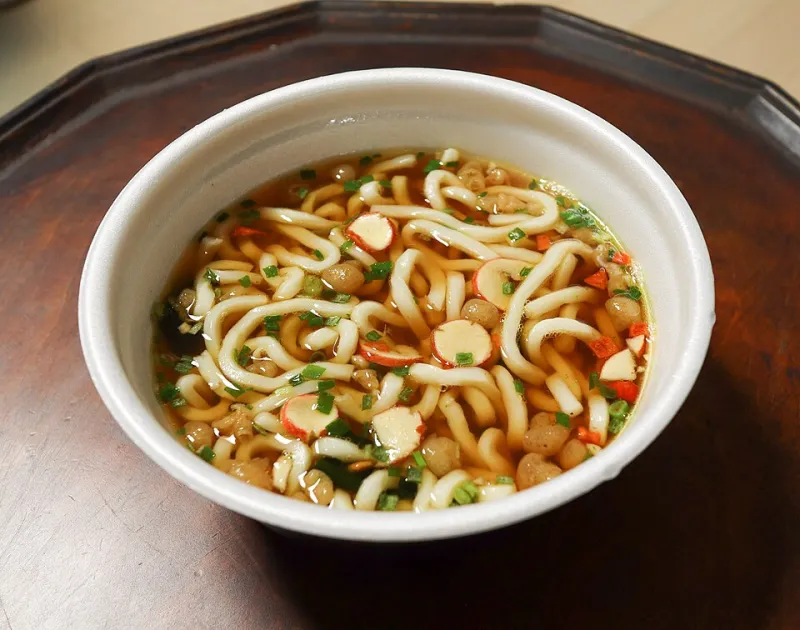
Photo: Mobius6, CC BY-SA 4.0, via Wikimedia Commons
There is a certain comfort in ordering the same thing twice. Ramen and pho have earned their place in Camden's affections, and nobody is suggesting we abandon them. But walk ten minutes in any direction from the Lock and you will find bowls that ask different questions of your palate: udon that makes you chew, laksa that makes you sweat, bun bo Hue that makes you reach for the napkins. These are the noodle neighbours hiding in plain sight, and in 2026 they deserve a proper look.
Why we get stuck on the ramen-pho axis
Ramen and pho are brilliant entry points. They are widely available, easy to understand and deeply satisfying. But they also dominate menus to the point where other styles get treated as novelty acts. Udon becomes a side dish, laksa gets folded into a generic curry noodle soup, and bun bo Hue is often missing altogether. The result is a North London noodle scene that is richer than its ordering habits suggest. Widening your slurp does not mean abandoning your favourites; it means letting them share the table.
Udon: the chew that asks you to slow down
Udon is the quiet one. Where ramen shouts with tare and toppings, udon relies on texture and a clean dashi. Good udon should be thick, slippery and just resistant enough to make you pause between mouthfuls. Sanuki-style udon, named after the Japanese region where the style developed, is the benchmark: firm, glossy and served in a broth that tastes of kombu and bonito rather than soy and chilli.
At Sanuki Room in Kentish Town, the £13.50 hot udon is a lesson in restraint. The broth is clear and smoky, the noodles have a proper bounce, and the tempura on top stays crisp for longer than it has any right to. It is not a bowl you demolish in five minutes. It is a bowl that slows the evening down. Order the cold version in summer if you want to understand the chew without the steam.
Laksa: coconut, chilli and a proper identity crisis
Laksa is not one dish. Curry laksa, associated with Malaysia and Singapore, is a coconut-rich broth with tofu puffs, prawns and a chilli kick that builds slowly. Asam laksa, from Penang, is sour and fish-forward, with tamarind doing the heavy lifting. Both are worth knowing, and both are often muddled together on menus.
Bunga Raya in Mornington Crescent serves a curry laksa at £14 that gets the balance right: coconut milk that feels indulgent without being cloying, a rempah base with real depth, and enough chilli to make you sit up. The noodles are a mix of rice vermicelli and yellow noodles, which gives each spoonful a different texture. It is a messy, generous bowl — the kind that requires a bib and a relaxed attitude. Ask for extra sambal on the side rather than stirring it straight in; you will want to control the heat.
Bun bo Hue: the spicy, lemongrass-heavy cousin
If pho is the polite family member, bun bo Hue is the one who arrives late and turns the music up. The broth is built on beef bones, lemongrass and chilli oil, and it carries a deeper, more savoury heat than pho. The noodles are thick, round rice noodles, and the bowl usually comes with beef shin, pork knuckle and a pile of herbs.
Hue Corner in Camden does a £13.80 version that is worth the trip alone. The lemongrass is present without being perfumed, the chilli oil leaves a warm glow rather than a five-alarm fire, and the herbs — mint, coriander, banana blossom — cut through the richness. It is a bowl that rewards slurping and a certain amount of mess. Do not wear white.
Biang biang: wide, hand-ripped and made for chilli oil
Biang biang noodles are a Shaanxi speciality: wide, hand-pulled ribbons that are almost belt-like in the bowl. They are chewy, glossy and designed to be tossed with chilli oil, black vinegar, garlic and spring onion. The name comes from a character so complicated it has its own folklore, and the dish itself is a lesson in texture.
Xi'an Fold in Camden serves a £12.50 biang biang bowl that is generous, garlicky and properly vinegary. The noodles are ripped to order, which means a short wait and a better bowl. Ask for extra chilli oil if you like heat, and mix everything thoroughly before the first bite. It is the sort of dish that makes you wonder why you ever bothered with a sandwich.
How to order without looking lost
Start with the broth style rather than the topping. If you want clean and restorative, go udon. If you want rich and spicy, go laksa or bun bo Hue. If you want chewy and bold, go biang biang. Ask the kitchen what they recommend and whether the chilli is best on the side. Most places are happy to explain, and nobody is judging you for asking.
The case for a wider slurp
Camden's noodle scene is not short of options; it is short of curiosity. Ramen and pho will always have a place at the table, but the bowls above offer something different: a chance to slow down, sweat a little, or make a glorious mess. In 2026, the best value in North London might not be a cheaper bowl. It might be a different one.