Before the Ramen Queue: Camden's Old Noodle Counters and What They Taught the New Bars
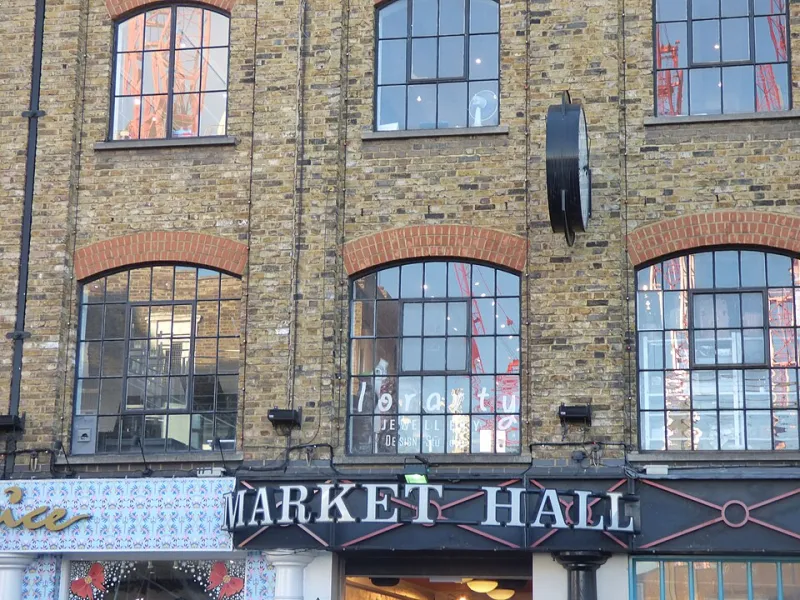
Photo: ell brown, CC BY-SA 2.0, via Wikimedia Commons
In 2026, the noodle queue in Camden is a familiar sight. It forms outside ramen bars with blond wood counters and chalkboard specials, and it moves slowly because everyone is deciding between the spicy miso and the yuzu shio. But the queue is not the beginning of the story. Before the ramen boom, before the tasting notes and the ticketed slurp nights, Camden was already a place where you could get a bowl of noodles for not very much money, eaten quickly, standing up or walking away.
The older noodle trade in this part of North London was Chinese and Vietnamese, market-led and takeaway-first. It was less photographed and more practical. And if you look at the menus, the counters and the way people ate, there is a lot that the new bars have quietly inherited, and a few things they have forgotten.
Before tonkotsu: the market stall years
The first noodle counters around Camden were not restaurants in any formal sense. They were stalls and small canteens, often family-run, serving wonton soup, beef brisket noodles, roast duck and rice plates. The work was fast, the menus were short, and the broth was made in large quantities because it had to be. A stall could not afford to offer twelve styles of ramen. It offered one or two soups, done well enough and cheaply enough that people came back.
Vietnamese food arrived in North London in larger numbers from the late 1970s and 1980s, and pho counters followed. They were not fashionable. They were places to eat before work, after work, or on a cold afternoon, with a plate of herbs on the side and a broth that had been simmering for hours. The word 'broth' was not on the menu. It was just soup.
The canteen logic: speed, steam and a single pot
The older counters operated on a logic that today's ramen bars could study. They had a single pot of stock at the back, a steamer for dumplings, a pot of noodles and a short list of toppings. The menu was not a statement of ambition. It was a list of things that could be made quickly and sold at a price people would pay.
That meant wontons were often the gateway. A small bowl of wonton soup was cheap, filling and fast. It brought people in. The noodles were secondary. If you wanted more, you added beef brisket or roast duck. The bowl was not designed to be a performance. It was designed to be lunch.
Today's ramen bars often reverse this. The broth is the performance, and the dumplings are a side order of gyoza. There is nothing wrong with that, but the older model suggests a different balance: a small wonton or dumpling section can be the thing that makes a noodle bar affordable and repeatable, not just a special-occasion slurp.
What the archives show
Menu archives from Camden Local Studies and local listings tell a story of consistency rather than novelty. The same dishes appear for years: wonton noodle soup, beef brisket noodles, pho tai, spring rolls, roast duck on rice. Prices are low. Descriptions are minimal. There are no paragraphs about the origin of the soy sauce or the ageing of the noodles.
That is not because the food was simple. It is because the language of the trade was different. A good broth was understood, not explained. The menu was a contract: this is what we have, this is what it costs, this is how long it will take.
The new bars have kept the short menu in some cases, but they have added a layer of storytelling. That can be useful. It helps people understand why a bowl costs what it does. But the older menus are a reminder that clarity is its own kind of hospitality.
The Vietnamese counter and the long simmer
The Vietnamese counters in North London had a different rhythm. Pho was not a quick bowl in the same way. The broth was simmered for hours, sometimes overnight, and the garnish plate was part of the dish. You added herbs, beansprouts, chilli and lime at the table. The bowl was finished by the person eating it.
That is a small but important lesson for ramen bars. Ramen is often assembled in the kitchen and handed over complete. Pho gives the eater a role. The new bars that offer a garnish plate, or a small dish of pickles and chilli, are closer to that older model than they might realise. It makes the bowl feel less fixed and more like something you are eating, not just receiving.
The takeaway heritage
The older counters were takeaway-first. They had containers, bags and a system for sending noodles home. They knew that broth and noodles behave differently when they travel. They packed them separately when they could, or they accepted that the bowl would change on the way.
Today's ramen bars are often designed for eating in. That is fine, but the takeaway bowl is now a big part of how people eat in Camden. The old trade understood that a takeaway bowl is not a lesser bowl. It is a different bowl. The new bars could learn from that: pack for the journey, not just for the photograph.
What the new bars get right, and what they forget
The new ramen bars have brought better ingredients, more consistent hygiene, vegetarian and vegan options, and a wider understanding of Japanese styles. They have also made noodle eating a sit-down pleasure rather than a quick refuel. That is a genuine gain.
But they have sometimes lost the older virtues: speed, low prices, unpretentious service and a menu that does not need a glossary. The best 2026 bars are the ones that borrow from both. They make a proper broth, but they also know how to sell a small bowl of wontons. They take the food seriously, but they do not take themselves too seriously.
Where to look in 2026
The old Camden is still there if you look past the queues. The Market still has stalls that have been feeding people for years. Kentish Town Road and the streets around Buck Street have counters where the menu is short and the soup is hot. They are not always Instagrammable. They are often better for it.
The next time you join a ramen queue, it is worth remembering that the bowl you are waiting for is part of a longer story. Camden has been a noodle neighbourhood for decades. The broth has changed, the packaging has changed, and the queue has definitely changed. But the basic idea is the same: a hot bowl, made quickly, eaten with intent.