The Carb Top-Up: How Extra Noodles Work in Camden's Bowls
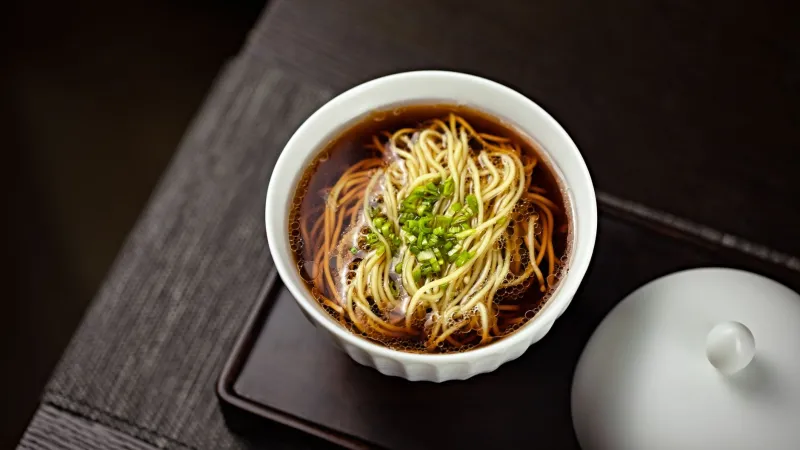
There is a moment, about two-thirds of the way through a good bowl, when the noodles run out before the broth does. You stare at the remaining liquid. The broth stares back. And you wonder: can I just ask for more noodles?
The answer, across Camden and Kentish Town, is a firm maybe. Extra noodles — kaedama in ramen terms — are one of those things that sound simple and turn out to be a small test of menu-reading, timing and emotional intelligence. Ask well and you get a cheap top-up that makes the bowl feel new again. Ask badly and you get a flat “no”, a charge you didn’t expect, or a bowl that now tastes like noodle-flavoured water.
As of 2026, the rules are still written in the air rather than on the wall. So here’s a practical guide to the carb top-up, without pretending every shop plays by the same book.
First, Know What You’re Actually Asking For
Kaedama is not a second bowl. It is not extra broth, extra chashu or a free lunch. It is a portion of cooked noodles, usually served on a small plate or dropped straight into what’s left of your soup. In ramen shops it is most common with tonkotsu and other rich broths, where the kitchen expects the noodles to go quickly and the soup to hang around.
In pho places, the request is less formal. You might ask for “extra noodles” or “more bún”, and you may get a small side plate to add yourself. In other noodle bowls — udon, laksa, bun bo hue — it depends entirely on how the dish is built. A laksa with a fixed quantity of coconut broth is not always improved by doubling the noodles. A dry-tossed bowl, on the other hand, often takes extra noodles better than a soup does.
The key distinction: ask for noodles, not “another bowl”. The first is a top-up. The second sounds like you want a free meal and a table for the rest of the afternoon.
The Three Answers You’ll Get
Broadly, Camden’s noodle shops fall into three camps.
The easy yes. These are usually market counters, casual ramen bars and places with a high turnover. The noodles are already portioned in the kitchen, the staff are used to the question, and the answer is either “yes, £2.50” or “yes, no charge”. The top-up arrives quickly, often with a small smile. This is the dream scenario.
The chargeable yes. Here, extra noodles are on the till but not always on the menu. You’ll pay £2 to £4, sometimes more. That is usually fair: noodles cost money, and the kitchen has to cook another batch. The trick is to ask before you start eating, so the second portion arrives before the first one has gone cold. Many sit-down ramen shops in Kentish Town and around Mornington Crescent operate this way. They are not being difficult; they are being organised.
The polite no. Some places simply don’t do it. The broth is measured, the noodles are weighed, and the kitchen would rather you ordered another side than fiddle with the formula. You may get a “sorry, we don’t do extra noodles” or a slightly pained look that means the same thing. Accept it and order a gyoza. There is no victory in arguing with a broth system.
Shop-by-Shop, Without Naming and Shaming
You don’t need a list of specific doors to understand the landscape. Camden’s noodle scene has a few recognisable types.
The Camden Lock market stall is the most likely to say yes without fuss. The queue is fast, the noodles are cooked to order, and the staff have heard every request going. Ask when you order, not after you’ve finished. If there’s a queue behind you, keep it brief.
The Kentish Town Road sit-down is more likely to have a policy. It may be on the menu in small print, or it may be one of those things you only learn by asking. Here, the extra noodles often come plated separately, which is better: you can add half, taste, and decide whether the broth can take it.
The Mornington Crescent counter — the sort of place with six seats and a boiler you can see — tends to be flexible but brisk. Ask early, pay what’s asked, and don’t expect a song and dance. If the server says “next time, tell me at the start”, that is not a rejection. It is a note for your next visit.
And then there’s the late-night bowl, which is its own category. After 10pm, kitchens are winding down and portioning gets less precise. You might get a yes. You might get a look that suggests you’ve asked the chef to rebuild the kitchen. Read the room. If the shutters are half down, order the noodles you have.
The Broth Maths Nobody Warns You About
Here’s the thing about extra noodles: they change the ratio. A bowl of tonkotsu with a thick, collagen-heavy broth can take a second helping and still taste like itself. A delicate shoyu or a light chicken broth is less forgiving. Add too many noodles and the soup goes from intense to merely wet.
If you’re going to ask, ask for the noodles on the side. Add half first. Taste. Then decide. If the broth is already salty and reduced, extra noodles can actually balance it. If it’s thin and subtle, they will dilute it. Some shops will offer extra tare — the seasoning base — but many won’t, and that’s fair enough. You are asking for a carb top-up, not a bespoke soup consultation.
For pho, the calculation is different. The broth is usually plentiful, so extra noodles are less about dilution and more about whether you want the bowl to become a second meal. In a bun bo hue, the spice and lemongrass can handle a little more noodle. In a delicate chicken pho, tread carefully.
How to Ask Without Being That Customer
A few etiquette notes, learned the hard way.
Ask when you order. Not halfway through, not when the bowl is empty, not as the kitchen is closing. If the menu doesn’t mention extra noodles, ask a simple question: “Do you do extra noodles?” Keep it short.
Accept the price. If it’s £3, pay it. Don’t haggle. Don’t say “but the broth is already there”. The broth is not the noodle.
Don’t ask for extra noodles and then leave half of them. That is the behaviour that makes kitchens stop offering them.
And if you’re in a group, don’t ask for six separate top-ups at peak Saturday lunch. One person can ask for the table. The rest of you can share a side of rice. It’s not a competition.
Is the Second Helping Worth It?
Often, yes. A £3 top-up can turn a good bowl into a great one, especially if you’re hungry and the broth is rich. It is cheaper than ordering a second main, and it feels like a small, civilised indulgence. But it is not always the right move. If the bowl was perfectly balanced, extra noodles can tip it into stodge. If the broth was the star, you might be better off ordering an extra egg and leaving the ratio alone.
The Camden verdict: ask, but ask early. Know what you’re asking for. Expect either a charge or a no. And if you get the yes, add the noodles slowly. The second helping is meant to extend the pleasure, not drown it.