The Wheat You Didn't Order: A Coeliac's Guide to Camden Noodle Bowls
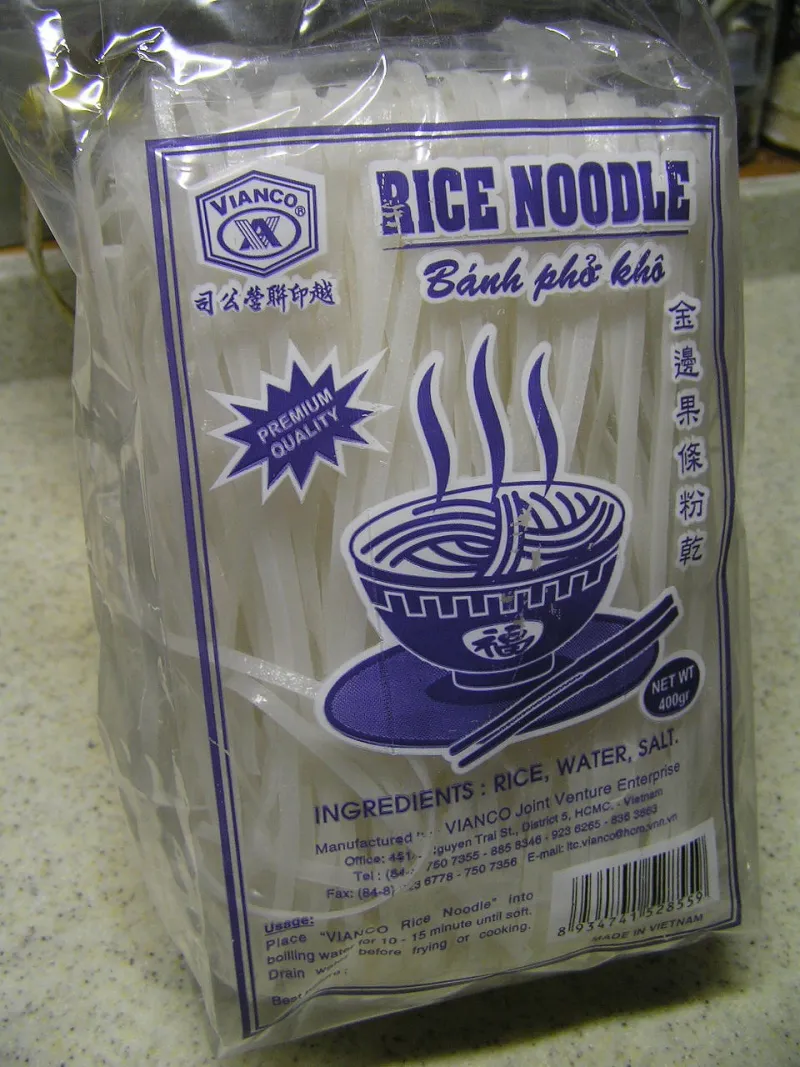
Photo: Akiyoshi's Room, CC BY 3.0, via Wikimedia Commons
Camden does steam and noise better than almost anywhere in North London. At seven on a Friday, the windows are fogged, the queues are forming and the ramen counters are doing their practised dance. For most people, that is an invitation. For a coeliac, it is a reminder that the noodle world is built on wheat — and that the wheat does not always announce itself.
This is not a list of certified gluten-free kitchens, and it is not medical advice. It is a field guide to the questions worth asking in Camden and Kentish Town, the ingredients that catch people out and the difference between a bowl that looks wheat-free and one a kitchen can actually stand behind. If you are coeliac, the useful question is rarely just 'is this gluten-free?' It is 'how do you make it, and what touches it on the way?'
Start with the bowl, then look at the kitchen
Rice noodles are the obvious entry point. Pho uses rice noodles. Bun bo hue uses rice noodles. Laksa usually starts with rice vermicelli. Rice paper rolls are rice-based too. None of that makes the finished dish automatically safe.
The broth may be built with stock cubes or bouillon, which can contain wheat. Soy sauce is often made with wheat, not just soybeans. Hoisin is a common trap, and so are some oyster sauces, curry pastes and marinades. A kitchen may fry shallots or spring rolls in the same oil as wheat batter. A colander may be shared. A wok may be wiped, not washed, between dishes.
Under UK food law, food businesses must provide information on the 14 major allergens, including gluten, when you ask. That is a legal requirement, but it is not a guarantee of coeliac-level practice. A written allergen matrix is useful. A confident member of staff who can check the actual recipe is better. A vague 'it should be fine' is not a green light.
The three questions that do most of the work
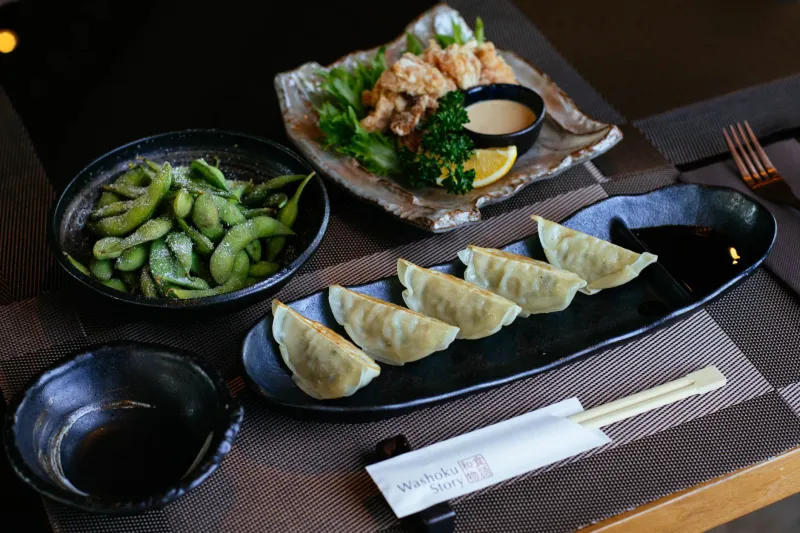
First: are the rice noodles cooked in separate water from the wheat noodles? If the same pot, colander or tongs are used, the answer is already complicated. Second: which soy sauce goes into the broth, marinade or dipping sauce, and can the kitchen leave it out? Third: what shares the fryer, the prep board and the garnish tray? Spring rolls, gyoza, tempura and crispy shallots are all worth asking about.
Then add the practical one: can I see the allergen information, or can someone check the label on the stock and sauce? In a small Camden kitchen, that may mean a chef reading a tub rather than producing a laminated folder. Either is fine if it is honest. Neither is fine if the answer is a shrug and a promise that it is all natural.
Rice noodles are a start, not a passport
Pho is often the safest-looking order on a noodle menu, but the broth deserves scrutiny. Ask about stock cubes, soy sauce and any pre-mixed seasoning. Hoisin on the side is a wheat risk; fish sauce is usually gluten-free but still needs checking. Herbs, beansprouts and lime are low-risk, but shared prep space matters.
Bun bo hue is another rice-noodle bowl that can work, though the broth may include stock powder, shrimp paste or pork products with fillers. Laksa is not automatically safe because the noodles are rice: the curry paste and stock are the things to ask about. Rice paper rolls are a good candidate, but the dipping sauce often contains hoisin or soy.
Ramen is the harder conversation. Ramen noodles are typically wheat, and even packets labelled rice ramen are not automatically coeliac-safe. Soba is often a wheat blend. Udon is wheat. Clear broth does not mean gluten-free broth. If a ramen shop cannot explain its noodle supply and its seasoning, it is probably not the place to test the theory.
The sauces and shortcuts that catch people out
Soy sauce is the big one. Standard soy sauce usually contains wheat; tamari is a different product, but the kitchen still has to confirm what is in the bottle and on the spoon. Hoisin, oyster sauce, kecap manis, some chilli oils, some curry pastes and many stock cubes are also worth questioning. Miso can contain barley. Malt vinegar contains gluten; distilled vinegar does not. 'Special sauce' is not an ingredient list.
This is why asking for a dish without soy sauce is not the same as asking for a coeliac-safe dish. The sauce may already be in the broth, the marinade or the chilli oil. The garnish may have been picked up with the same tongs as the gyoza. A kitchen that understands this will talk you through it. A kitchen that does not may still be lovely, but it is not the right kitchen for this.
What a coeliac-aware kitchen looks like
It looks less glamorous than a menu symbol. Staff know what gluten is and do not confuse it with a lifestyle choice. They check the label rather than guessing. They offer a clean pan, fresh water, separate utensils or a separate fryer if they have one. They are willing to say no when the busy service makes a safe bowl impossible.
Red flags are equally practical: a claim that everything is gluten-free without checking; a promise that a little soy sauce is fine; the same noodle water for rice and wheat; a shared colander; a board wiped with a cloth and put straight back to work. Peak Friday service in Camden is not the moment to ask a tiny kitchen to improvise. Quieter lunch slots in Kentish Town are often better for a proper conversation.
A realistic way to order in Camden
Treat rice-noodle menus as a starting point, not a safe harbour. Ask about the broth before you fall for the description. Ask for sauces on the side only if you understand that the kitchen may already have used them. If the allergen information is not available and no one can check the stock, do not talk yourself into it because the room smells incredible.
Late-night bowls deserve extra caution. At 1am, kitchens are tired, surfaces are busy and the person at the till may not be the person who knows the recipe. Ask before you sit down, not after the noodles are in the water. Takeaway adds another layer: a busy pass, shared containers and a sauce sachet you did not see being handled.
Camden will never be as simple as a dedicated gluten-free kitchen, and it is better to admit that than to pretend otherwise. The good news is that the rice-noodle end of the menu is wide, the city is full of kitchens that will check a label, and a coeliac-aware bowl is possible. It just needs a different order of operations: ask first, eat second. A bowl is not worth the risk of a guess.