Twigs, Black Garlic and Fermented Shrimp: Decoding the Noodle Menu in Camden
There is a particular moment at a Camden noodle counter when the menu stops being a list of bowls and becomes a list of words. You know tonkotsu. You know pho. Then: menma, mayu, mam tom. You order the same thing you always order, and somewhere a small dish of something excellent goes unloved. This is a decoder for the terminally curious — the terms that separate a safe order from a great one, with notes on how to say them, what they taste like, and where to try them around Camden, Mornington Crescent and Kentish Town.
Menma: the bamboo that is not a twig
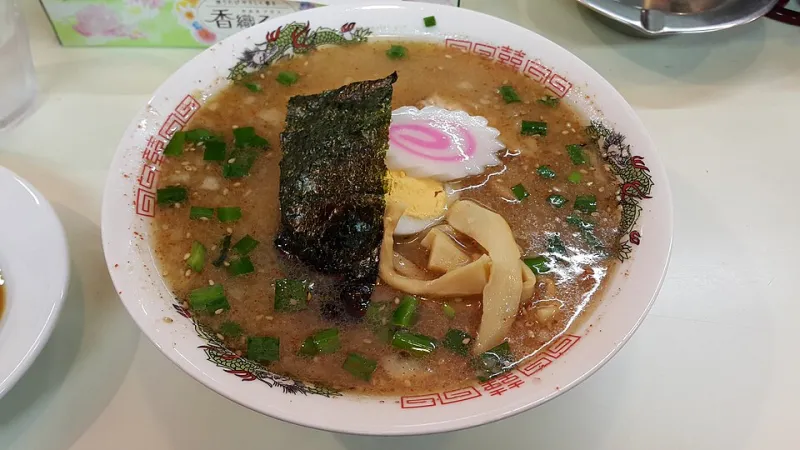
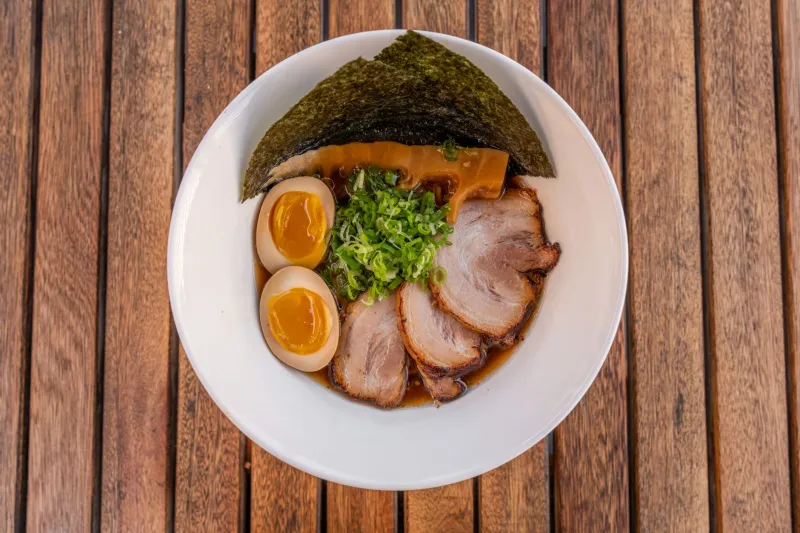
Say it MEN-mah. Menma is seasoned bamboo shoot, sliced into strips and often fermented or simmered in a soy-based dressing. It looks a bit like pale twigs. It tastes savoury, gently sweet and deeply umami, with a crunch that keeps going after the noodles have gone soft. If you like the idea of a pickle that behaves like a snack, this is your topping.
Where to try it: a shoyu or miso bowl at a ramen counter near Camden Lock is the obvious starting point. Ask for extra menma on the side so you can taste it alone before it disappears into the broth. In Kentish Town, a simple shoyu ramen with menma and a marinated egg is a good beginner's order — the bamboo gives the bowl a clean, savoury edge without shouting over the soup.
Mayu: the black garlic oil that looks burnt
Say it MAH-yoo. Mayu is black garlic oil, made by charring garlic until it turns dark and bitter-sweet, then blending it into oil. It looks like someone has accidentally tipped ash into your tonkotsu. It tastes smoky, roasted and faintly coffee-like, with a bitter note that cuts through a rich pork broth. A little goes a long way.
Where to try it: a tonkotsu bar around Mornington Crescent is the natural home for mayu. Order it as a bowl rather than a side, or ask for it on the side if you are not sure. Stir a little at a time. The first spoonful should taste like roast garlic, not like a mistake. If the bowl comes with a small spoon of black paste on top, do not stir it all in at once — treat it like a seasoning, not a sauce.
Mam tom: the fermented shrimp paste you smell first
Say it mam TOM, with the second word rhyming with Tom. Mam tom is Vietnamese fermented shrimp paste. It is pungent, salty and savoury in the way that anchovies and blue cheese are savoury — a dab is enough, a dollop is a commitment. It often turns up alongside bun bo Hue, or as a small dish on the side of a pho spread. If you love strong, funky flavours, you will probably love it. If you do not, start with a tiny amount and add lime and chilli to balance it.
Where to try it: a Vietnamese kitchen in Camden or off Kentish Town Road is the best place to ask. Order it separately, taste a little with the broth, then decide how far you want to go. Do not treat it like ketchup. Treat it like a condiment with a personality.
The bun bo Hue supporting cast
Bun bo Hue is a bowl, not a topping, but its toppings are where the real education happens. Say it boon baw hway. The broth is beefy, lemony and chilli-hot, and the bowl usually brings beef shank, pork knuckle, lemongrass, chilli oil and a pile of herbs. Banana blossom and perilla add texture and a faint aniseed note. Mam tom is often the optional extra that makes the whole thing sing.
Where to try it: a Vietnamese spot in Kentish Town or Camden is the place to look. Ask for extra herbs and a small dish of mam tom on the side. If you are a ramen regular who wants to cheat on tonkotsu for an evening, this is the bowl to do it with.
The supporting cast: a quick glossary
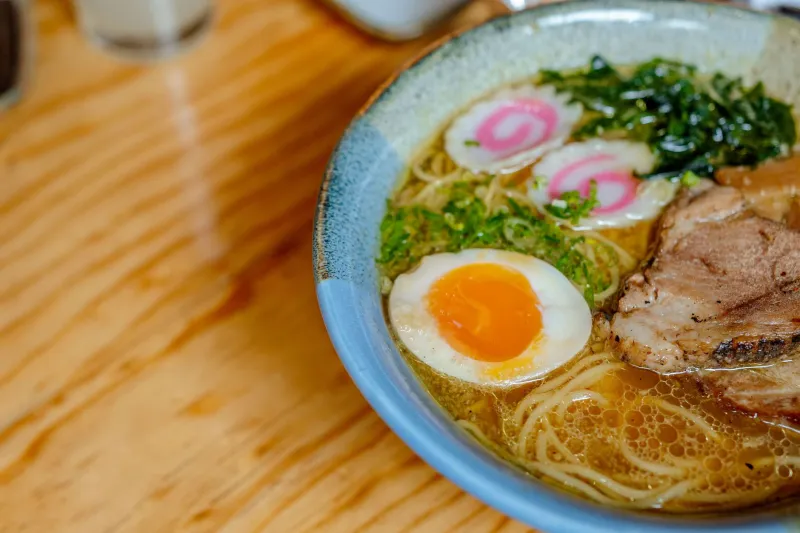
Ajitama (AH-jee-TAH-mah): a marinated soft-boiled egg. Jammy yolk, soy-sweet edge. Ask for it in any ramen bowl.
Narutomaki (nah-ROO-toh-MAH-kee): the little white fish cake with a pink swirl. Mild, slightly bouncy, mostly there for texture and nostalgia.
Kikurage (kee-koo-RAH-geh): wood ear mushroom. Slippery, crunchy, almost gelatinous. Good in a tonkotsu bowl when you want something that is not noodles.
Takana (tah-KAH-nah): pickled mustard greens. Salty, sour and a little spicy. Excellent in a miso ramen or as a side with rice.
How to order without the panic
You do not need to pronounce everything perfectly. Point at the menu and say: 'I have not tried this before — what would you recommend?' Camden counter staff are used to it. Ask for menma on the side. Ask for mayu separately. Ask for mam tom in a small dish. The worst that happens is you learn you do not like something, and the best is that you find a new default.
The trick is to add one new term per visit. Order your usual bowl, then ask for one extra thing you have never tried. By the end of the year, the menu will not look like a test anymore. It will look like a list of things you know how to use.