The Volume Knob Is a Seasoning: How Sound Shapes a Bowl in Camden

You can tell a lot about a noodle bar before the bowl arrives. Not from the menu, not from the queue, but from the speakers. In Camden, where every other doorway seems to lead to a ramen counter or a pho house, the soundtrack is often the first honest review you'll get. A thrashy punk track at volume eleven tells you to eat fast and get out. A low, humming soul loop tells you to settle in. And a pho room with no music at all? That's a quiet confidence you don't mess with.
This isn't just about atmosphere. Over the past few months, I've been eating my way through NW1 and Kentish Town with one ear on the broth and the other on the playlist. What I found is that sound doesn't just set the mood — it actively changes how you taste, how long you linger, and whether you leave feeling satisfied or vaguely rushed. Here's the map.
The punk-loud ramen counter near Mornington Crescent
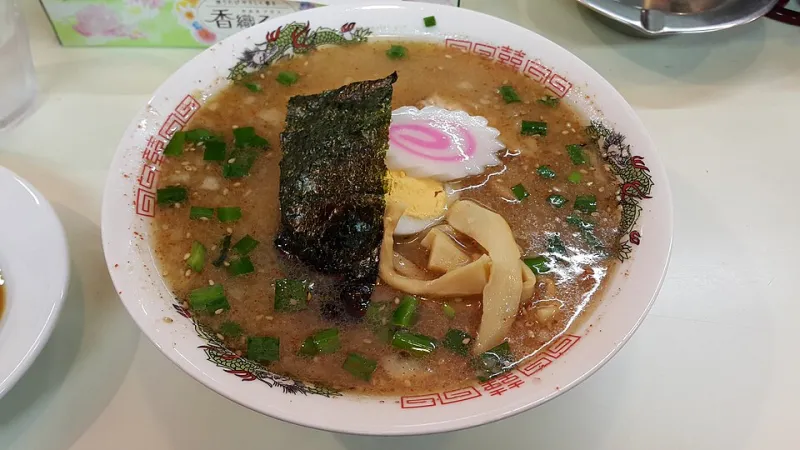
There's a narrow ramen bar just off the high street where the music is always too loud. The first time I went, a garage-punk track was rattling the extractor fans and I had to shout my order. I nearly left. But then the bowl arrived — a thick, fatty tonkotsu — and something clicked. The noise made the slurping feel urgent, almost competitive. I ate faster than I normally would. The broth tasted more intense, the chashu richer, because I wasn't overthinking it. I was just reacting.
The owner, a former sound engineer, told me he builds the playlist like a set list: three fast songs, one slow, repeat. "The tempo controls the table turn," he said. "If we play slow jams all night, people sit for an hour and a half. If we play punk, they're in and out in thirty-five minutes, and they still tell me it was the best bowl of their week." He's not wrong. The fast songs push you through the meal, but the broth is so good you don't feel cheated. You feel wired, in a good way.
The quiet pho room on Kentish Town Road
Two streets away, the opposite approach. A small pho house with bare walls and a single speaker playing nothing but low-key Vietnamese ballads from the 1990s. The volume is so low you can hear the broth simmering in the kitchen. The first time I ate there, I found myself whispering. It felt wrong to clatter my chopsticks.
But that quiet does something to the food. The pho is clean and herbal — star anise, coriander, a squeeze of lime — and without a thumping beat to distract you, you notice every layer. The slow ballads stretch time. I lingered over the last few spoonfuls, something I almost never do at a ramen counter. The owner told me she tried a livelier playlist once, a mix of modern pop, and her regulars complained. "They said it made the soup taste rushed," she laughed. "So I went back to the old songs. Now people come here to slow down."
Tempo, volume and the psychology of slurping
There's actual science behind this, or at least a decent theory. Loud, fast music raises your heart rate and makes you eat quicker — restaurants have known this for years. Slow, quiet music does the opposite. But noodles are a special case because the act of slurping is itself a rhythmic, repetitive sound. When the background music competes with that sound, you either lean into it or you get annoyed. The best noodle bars find a balance: loud enough to feel alive, quiet enough that you can still hear yourself slurp.
A bowl of ramen is already an intense experience — salty, fatty, hot. Adding a frantic drumbeat can tip it into overload, or it can sharpen your focus. A bowl of pho is subtler, and a quiet room lets those subtle flavours breathe. The same bowl eaten in a noisy bar would taste different. Not worse, necessarily, but different. The sound is a seasoning you didn't ask for but can't avoid.
When the playlist rushes you out the door
Not every soundtrack works. There's a late-night noodle spot near Camden Lock that plays a loop of upbeat house music after 10pm. The noodles are decent, but the music is relentless — four-four kick drum, no let-up. I've watched people wolf down their bowls and leave before they've finished their beer. The owner admitted the playlist is designed to keep the queue moving. "We're not a restaurant," he shrugged. "We're a pit stop." Fair enough. But if you're after a bowl you can savour, you'll want to go earlier, when the tempo drops and the volume comes down.
How to read a room by its sound
Next time you walk into a noodle bar in Camden, pause for a second and listen. If the music is fast and loud, expect a quick, punchy bowl — and order accordingly. If it's slow and low, settle in. If there's no music at all, you're probably in a pho house that knows exactly what it's doing. And if the playlist is so bad it makes you want to leave? Trust that instinct. The broth might be fine, but the experience won't be. In a neighbourhood with this many noodle options, the soundtrack is as good a guide as any review.