What the Line Tells You Before You Sit Down
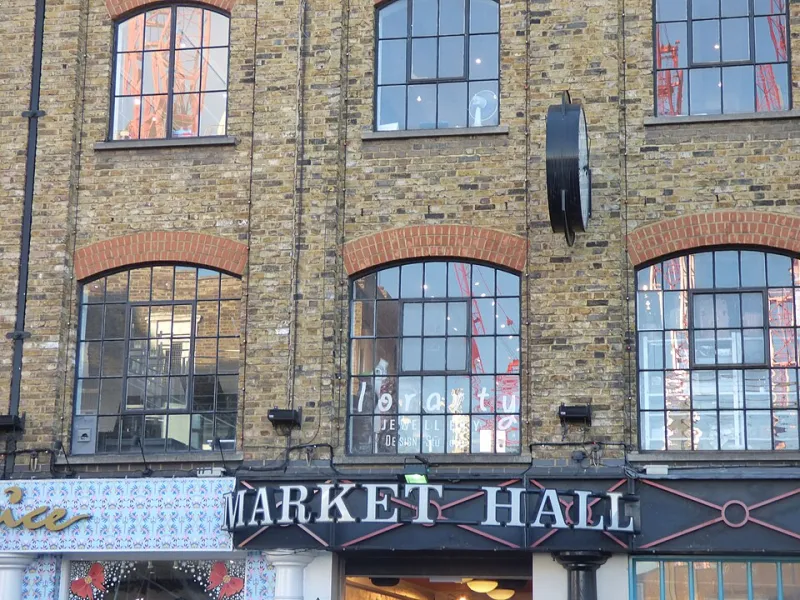
There is a particular kind of person who walks past a queue in Camden and immediately wants to know what it is for. This is not idle nosiness. A line outside a noodle bar leaks information long before you taste a thing, and once you know how to read one you can make a decision in under a minute without ever standing in it. Consider this a field guide to the queue, assembled the slow way over many evenings from Kentish Town to the lock.
First, Count the Bags
The single most useful thing you can do is glance at hands rather than faces. A line where half the people are holding a paper bag or a reusable tub from the same counter is telling you something quite specific: the kitchen is running a serious takeaway operation alongside the dining room, and it is moving.
A bag-heavy queue in North London usually means the broth travels well. Somebody has worked out that a bowl survives fifteen minutes on the bus, which is not a small technical achievement. It also means the kitchen has spare capacity, because a room that is drowning in seated orders cannot also be pumping out tubs of pho at 9pm. So a line that is feeding a takeaway trade alongside hungry diners is very often a line that will take you far less time than it looks. Do not be frightened of it.
The opposite is worth noting too. A queue where every single person is standing there empty-handed, coats done up, phones away, is a queue of people who have committed to sitting down. That one is slower. It is also, generally, a better sign — nobody is going to wait forty minutes on a cold pavement for something they are going to eat standing up.
Read the Pace of the Line, Not the Length
Length is the least useful data point. There is a bar near the lock where the queue will be twenty deep and clear in twelve minutes, and another where eight people stand about for half an hour like they are waiting for a train that may not come.
Watch for thirty seconds. If the door opens and a cluster peels off, the room is turning tables properly. If the door stays shut and the same people are shuffling, the kitchen is either small, understaffed or has one stubborn regular camping on the end of the counter. Small kitchens are not necessarily a problem — some of the best bowls in NW1 come out of a space the size of a stairwell — but they do mean the line is a different animal. In that case, come back at 3pm, and get a proper lunch rather than a lesson in patience.
The Regulars Are the Real Menu
Look for people who are not looking at the menu board. If three or four in the line are already chatting to each other, or one person is explaining something to their mate with the confidence of someone who has done it before, you are in the right place. Regulars do not queue for mediocre noodles, not in a city with this much choice.
The tell-tale signs
- Someone greets the person on the door by name.
- Nobody is photographing the window.
- The order is being decided before the door is reached.
That last one matters. A queue of people still reading the menu is a queue of first-timers, which is fine, but it says nothing about the food — only about the neighbourhood's ability to generate foot traffic. A queue of people who have already decided is an entirely more reliable instrument.
A Rough Ranking of Queue Styles
Light opinion, offered freely.
The quiet Kentish Town cluster
Best of the lot. It's short, it's calm, no one is filming anything, and the people in it look like they live four streets away because they do. A concentrated line of eight in Kentish Town will feed you faster than twenty in Camden, and the conversation in it is better. Strong recommend.
The lock-side snake
Impressive, theatrical, mostly harmless. The lock-side line is longer than it needs to be because half of it is tourists who have not yet worked out that the food is the point and the queue is not part of the experience. It moves, though, and if you join the back you'll usually be inside in under a quarter of an hour. Just do not do it in the rain.
The doorstep huddle
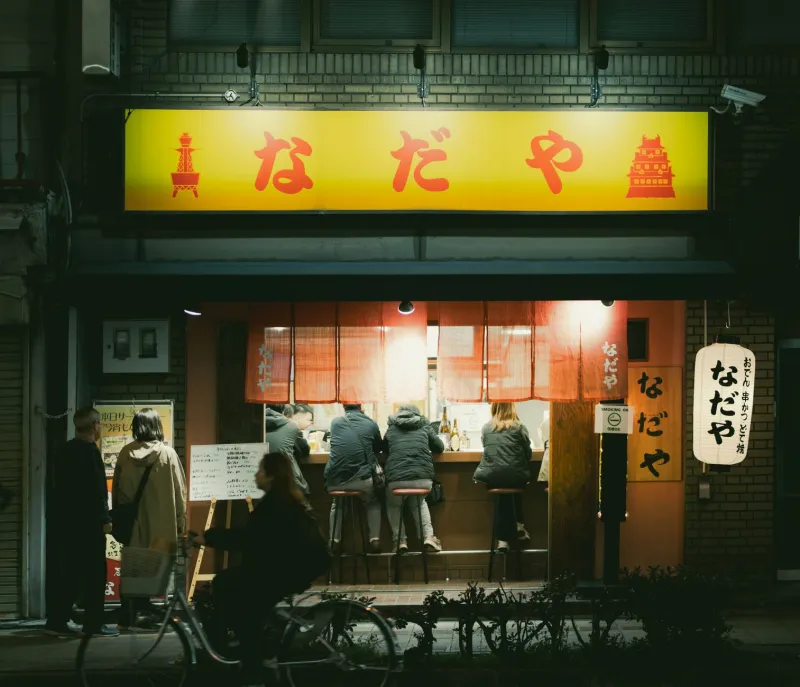
The four or five people bunched in the doorway of a small room, on their phones, in the cold. This is a sign of a genuinely great bowl in a genuinely tiny space, and there is no way around the wait. Eat late. Eat early. Just don't plan anything else for the evening.
The counter queue
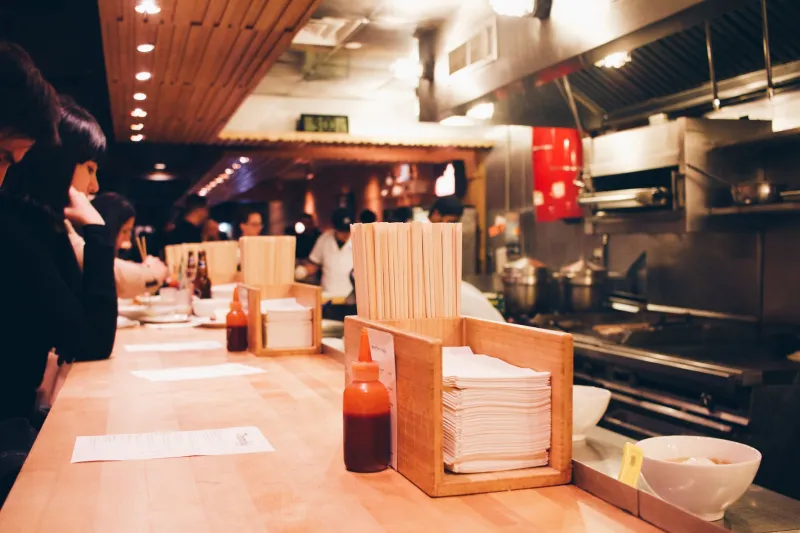
People waiting for one specific seat, because the counter is the only place worth sitting. This one is worth joining if you are alone and it is worth ignoring if you are not.
When Not to Join At All
There is a certain kind of line that is doing social media rather than service, and after a while you learn to spot it: the front of the queue is being filmed, the menu is on a big screen, and nobody is holding a bag. Nothing wrong with it, but it is not really a queue. It is a set. Go and eat somewhere with fewer cameras and more stock pots.
And one more thing. If you do join, work out what you want before you get in. It is the single greatest kindness you can do for the people behind you, and it means the queue you have just read can keep being an honest signal for the next person.