Chalk Dust and Fresh Stock: How Camden's Noodle Boards Steer the Order
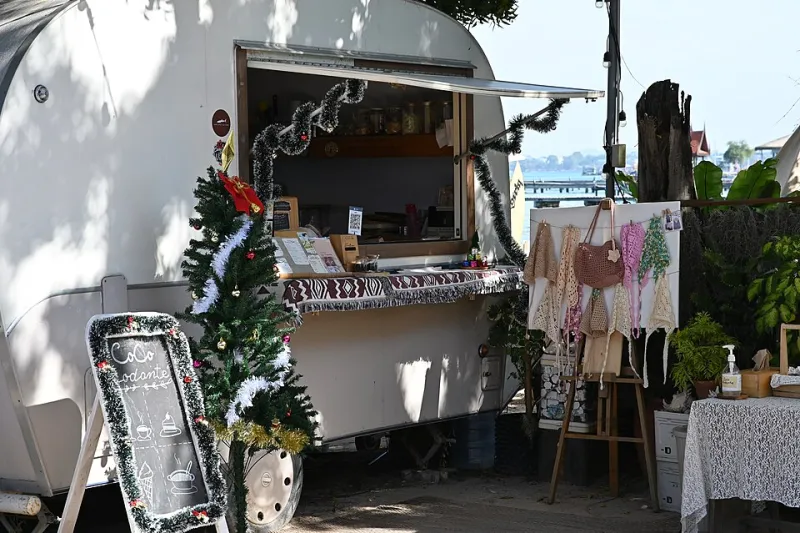
Photo: PattayaPatrol, CC BY-SA 4.0, via Wikimedia Commons
On a damp November evening in Camden, the printed menu is still pristine behind its plastic sleeve. The board behind the counter is another matter entirely: a smudge of blue chalk, a bowl name half-erased, a price rewritten in a hurry, and one line added at the bottom in handwriting that looks like it was done while holding a ladle. That mess is the point. Across Camden, Kentish Town and Mornington Crescent, the handwritten noodle board is not a decoration. It is a live document, and it usually tells you more about what to order than anything printed and laminated.
The Board Is a Stock Report, Not a Manifesto
A printed menu is a promise. It says: we can do this on a quiet Tuesday, a busy Saturday, and at 9pm when the kitchen is tired. A chalkboard is closer to a stock report. It says: this is what we are confident about today, this is what came in this morning, and this is what the kitchen is actually excited to cook.
That is why a late addition matters. If a bowl appears on the board after lunch, it is often because something arrived late, a prep batch came good, or the chef decided the weather called for it. It can signal fresh stock. It can also signal that the kitchen is using something up before it goes. The useful question is not whether the chalk is new, but what kind of new it is. A special listed with its components — braised shiitake, spring onion, chilli oil — usually has thought behind it. A vague special with no detail may be an afterthought. Neither is automatically bad, but the board is giving you a clue either way.
Crossings-Out Are Not Failures
Regulars do not flinch at a crossed-out bowl. They read it. An erased item can mean sold out, which is often a good sign: the thing moved. It can mean the kitchen ran out of one component and decided not to fake it. It can also mean the chef was not happy with the batch and pulled it rather than serve something average. All three are useful pieces of information.
What matters is the pattern. A board with one neat crossing-out at 7pm tells a different story from a board that looks like a weather map by 8:30pm. If you are early and the board is already messy, ask a simple question: is that gone for today or gone for the week? The answer tells you whether to come back tomorrow or stop thinking about it. Do not treat a crossing-out as a rejection. Treat it as the kitchen being honest in public.
Chalk Handwriting Has a Hierarchy
Where a bowl sits on the board matters. The top of the board is prime space. It is where the kitchen puts what it wants you to notice: the new special, the seasonal broth, the bowl with the good ingredients. The bottom of the board is where experiments and afterthoughts live. That is not a rule, but it is a reliable starting point.
Size matters too. Big letters suggest confidence. Small, cramped writing at the edge often suggests a test batch or a private joke among staff. Prices chalked separately from the dish name can mean the kitchen is adjusting to what it paid that week. A note saying broth from 6pm is not a suggestion; it is a timetable. If the board says limited, believe it. If it says new, ask who made it. The answer is usually more interesting than the bowl description.
The Counter Notice Is the Quiet Signal
Some of the best information is not on the main board at all. It is on the small notice taped to the till or propped against the condiment tray: no substitutions today, extra noodles available until 8pm, broth sold out, card only after 10pm. These notices are written in a hurry because they are true in a hurry. They tell you how the service is running and what the kitchen is protecting.
A counter notice is also a good test of your own timing. If a Camden noodle bar has a queue at the door and a note saying the broth is nearly done, do not ask for a full explanation of every bowl. Order the thing that is still available, eat it, and come back earlier next time. The board rewards people who read it quickly and act sensibly.
When the Board Beats the Printed Menu
The printed menu is for the baseline. It is where you go if you want the bowl you always get, the one that tastes the same in February and August. The board is for the day. If the two conflict, the board usually wins for right now — but only if you read it properly. A board item that lists its ingredients is usually a safer bet than one that just says special. A board item that has been crossed out and rewritten twice is probably not the kitchen's calmest work.
The best approach is a simple two-step order. Pick one thing from the printed menu so you know what the kitchen is built on. Then pick one thing from the board so you know what the kitchen is doing today. That is how you eat like a regular without pretending to be one.
How to Order Without Making It Awkward
Stand back and read the board twice before you join the queue. Decide what you want before you reach the till. Ask one question, not five. Is the chalked special still on? Which broth is moving today? That is usually enough. During a rush, the person at the counter does not need a seminar on fermentation; they need your order and your card.
And if the board is wiped clean by the time you sit down, do not panic. A clean board at 10pm can mean the kitchen has sold through the day's specials, or it can mean the staff are getting ready to close. Either way, the printed menu is still there. The chalkboard is not the whole truth. It is today's truth, written in dust and wiped away by tomorrow.